The patient is still sick
A small ED can still see trauma, sepsis, airway emergencies, obstetric problems, pediatrics, and procedures. The acuity does not care about staffing.
For rural and locums-staffed ERs
Rural and locums-staffed EDs often ask clinicians to make high-stakes decisions with fewer local resources. FOAM Cortex helps surface practical clinical context, transfer logic, and citations without pretending the tertiary center is next door.
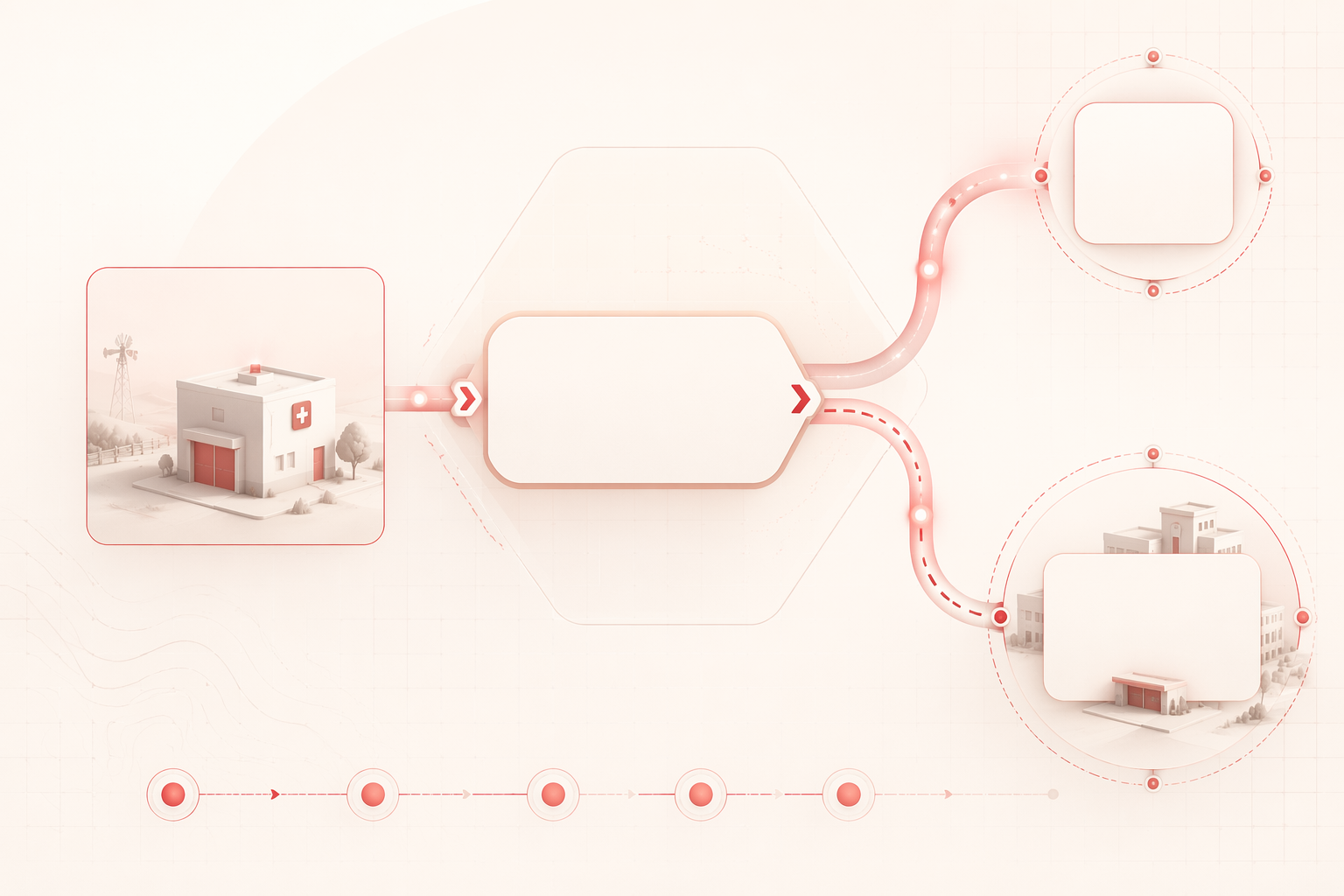
The rural and locums reality
A small ED can still see trauma, sepsis, airway emergencies, obstetric problems, pediatrics, and procedures. The acuity does not care about staffing.
Locums and rotating clinicians need to learn local capabilities quickly: what can be done here, what needs transfer, and who to call.
When transport is delayed or consultants are remote, clinicians need practical language for risk, stabilization, and why the patient needs a different level of care.
What FOAM Cortex gives rural teams
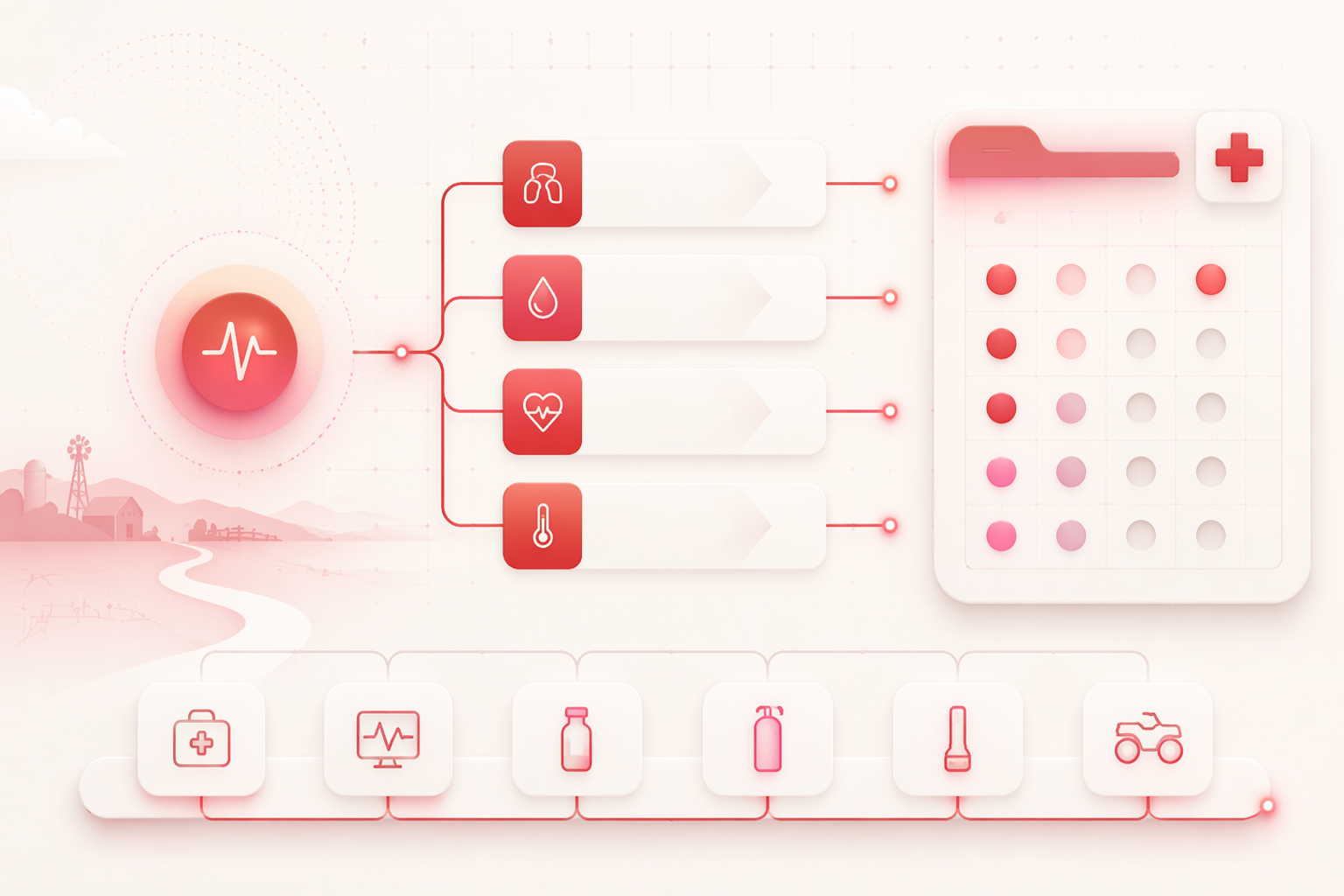
Review what matters first when acuity is high, backup is thin, and the next step needs to be practical.
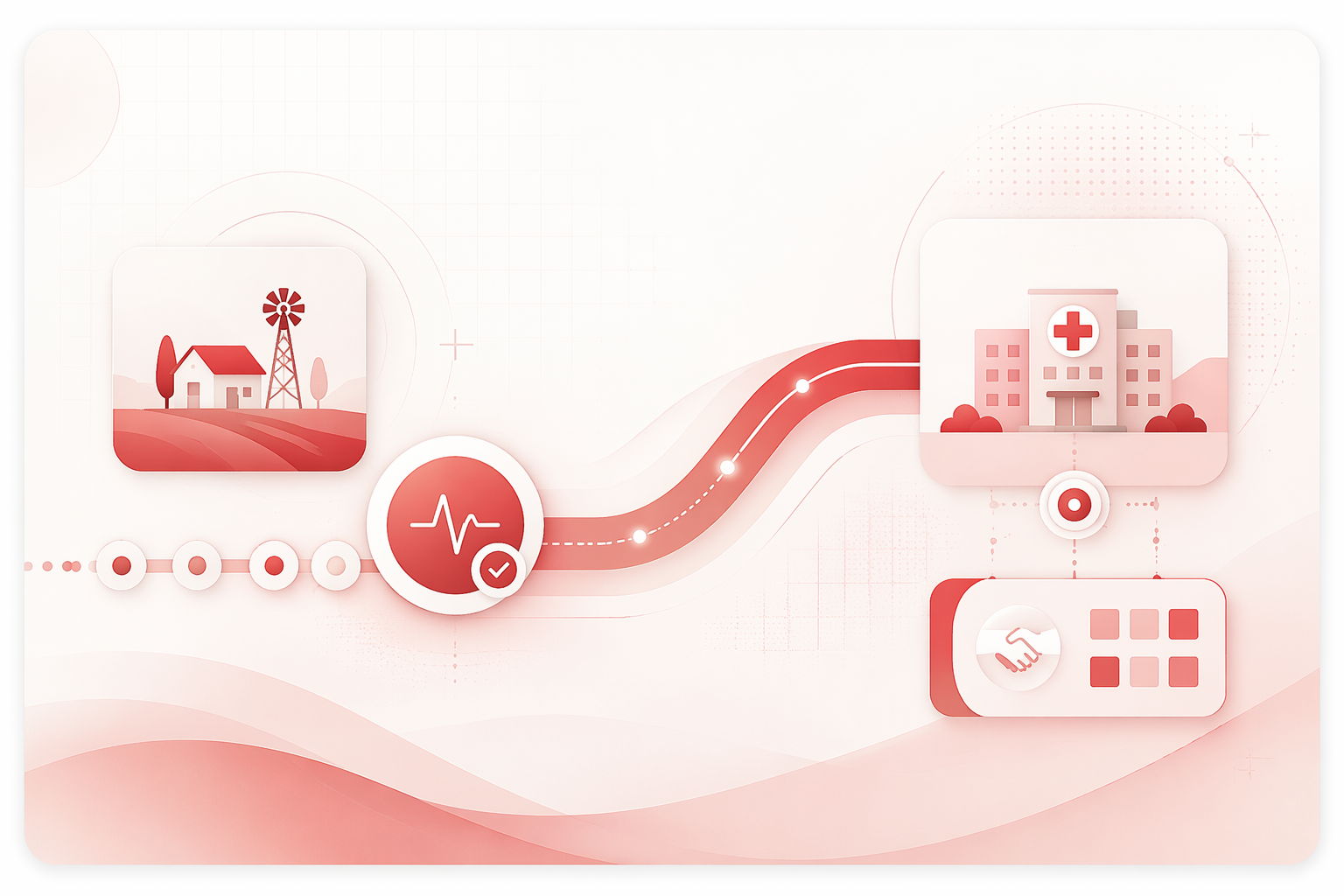
Frame why a patient needs transfer, what should happen before transport, and what risks need clear handoff.
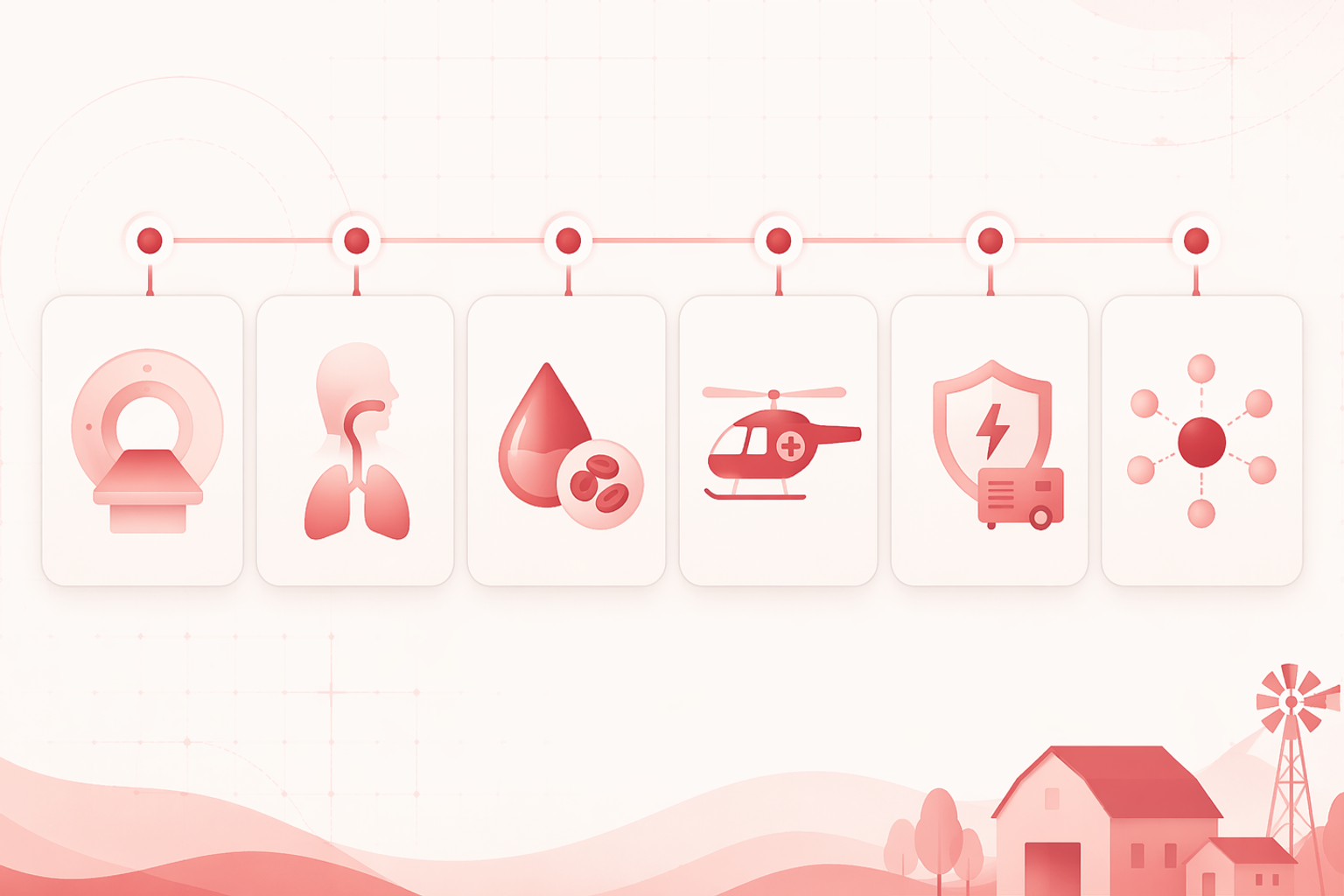
Help locums and rotating clinicians ask the right local capability questions before and during difficult shifts.
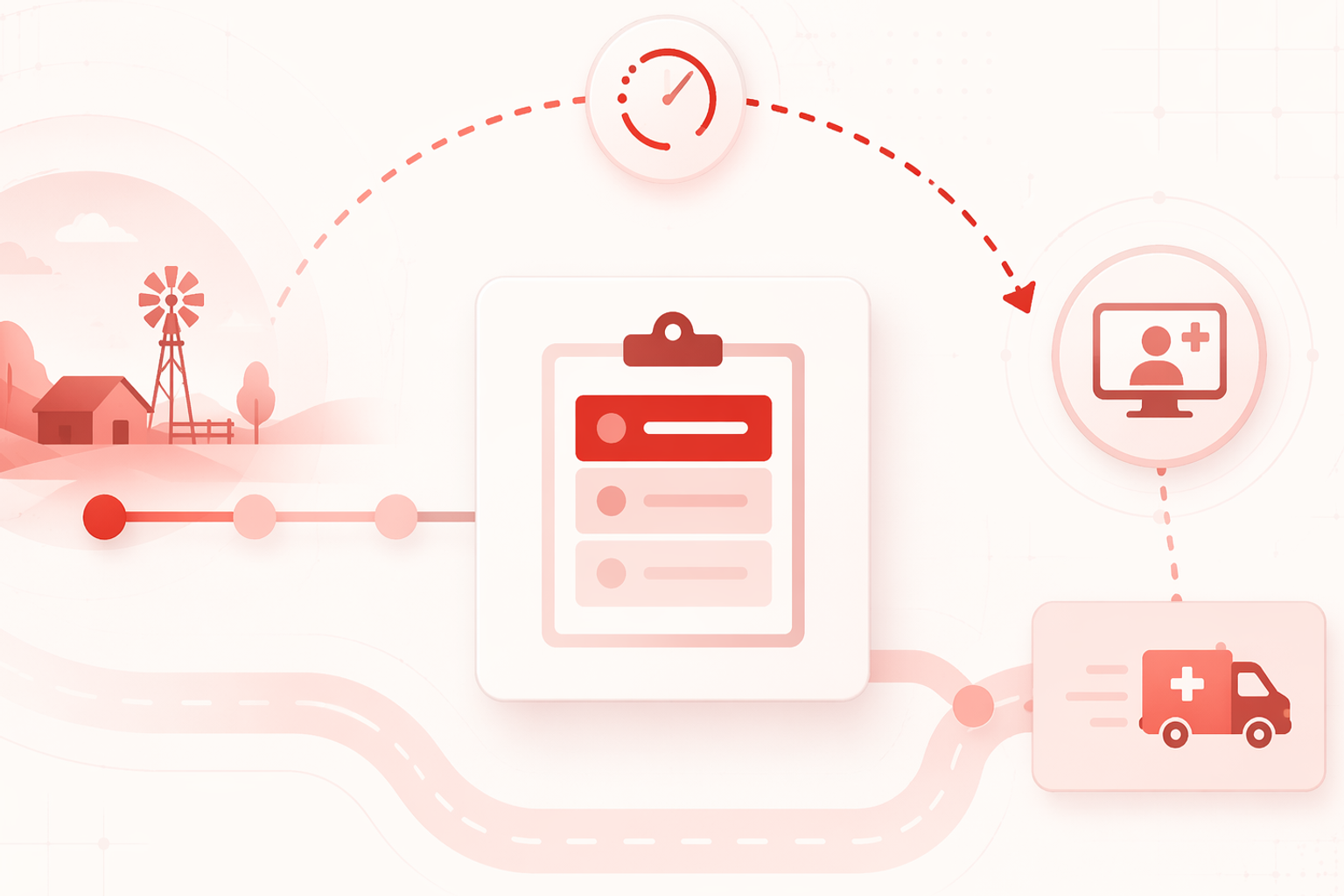
Keep the plan organized when consultants are remote, transport is delayed, or the receiving center is not close.
Questions that come up when backup is far away
What findings make this pediatric abdominal pain patient unsafe to keep here?
Red flags, transfer logic, reassessment points
What should I prioritize when the ICU bed is two hours away?
Stabilization priorities, monitoring, handoff language
What backup plan should I think through before RSI in a small ED?
Preparation checklist, failure modes, resources
How do I frame transfer for an anticoagulated head injury?
Risk features, imaging concerns, transfer language
What local capability questions should I ask before my first shift?
Site checklist, escalation pathways, clinical risks
What findings make this pediatric abdominal pain patient unsafe to keep here?
Red flags, transfer logic, reassessment points
What should I prioritize when the ICU bed is two hours away?
Stabilization priorities, monitoring, handoff language
What backup plan should I think through before RSI in a small ED?
Preparation checklist, failure modes, resources
How do I frame transfer for an anticoagulated head injury?
Risk features, imaging concerns, transfer language
What local capability questions should I ask before my first shift?
Site checklist, escalation pathways, clinical risks
Evidence-informed
Rural EDs may have fewer specialists, less diagnostic redundancy, longer transfer times, and clinicians who rotate in for short blocks. The clinical work can still be broad, urgent, and unforgiving.
FOAM Cortex is not a substitute for transfer centers, local policy, or consultant advice. It gives clinicians a quick source-backed way to review what matters before, during, and after those calls.
FOAM Cortex supports stabilization and decision framing. It does not override transfer agreements, EMS realities, hospital capability, or clinician judgment.
References stay visible so clinicians can inspect the source trail instead of trusting a sealed answer.
The product supports clinical context; it does not redefine supervision, role, or policy.
Use FOAM Cortex alongside institutional pathways, collaboration, and patient-specific judgment.
A faster route to the cited clinical context you were going to look up anyway.
Next step
Use FOAM Cortex to support transfer decisions, stabilization priorities, and follow-up learning when resources are limited.