The curriculum is broad
Residents need medical knowledge, procedures, resuscitation, communication, systems thinking, and judgment. The question in front of them may touch all of it at once.
For emergency medicine residency programs
Residency programs need answers that are fast enough for shift work and structured enough for teaching. FOAM Cortex keeps sources visible so residents can learn the reasoning, not just copy the conclusion.
The residency program reality
Residents need medical knowledge, procedures, resuscitation, communication, systems thinking, and judgment. The question in front of them may touch all of it at once.
Some teaching happens at conference. Plenty happens between patients, after a disposition debate, or when a resident asks one good question before sign-out.
Everyone means to read later. Then the shift ends, the board is full, and the question disappears unless the program has an easy way to bring it back.
What FOAM Cortex gives programs

Turn the question a resident asks between patients into a concise teaching frame with the source trail still visible.
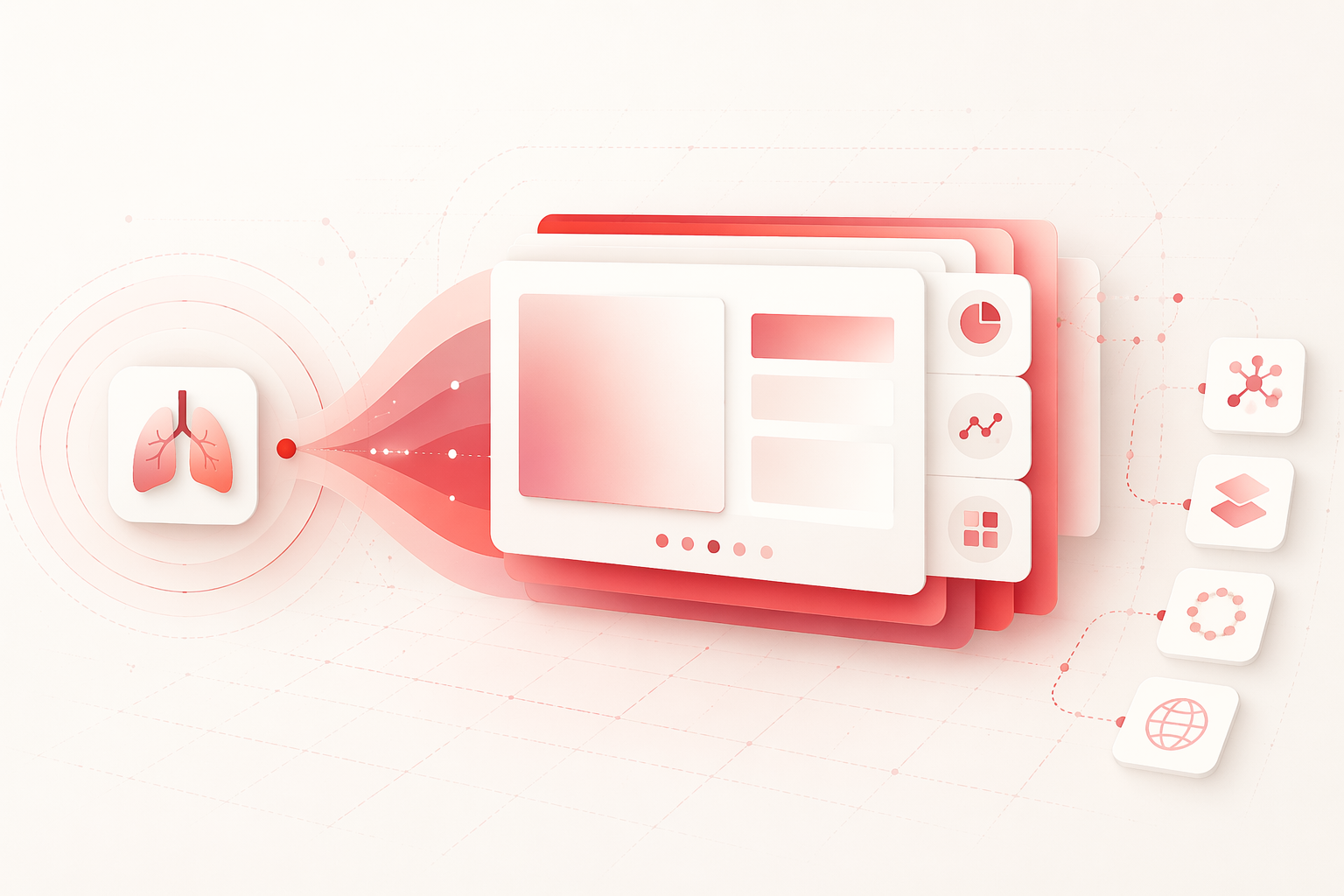
Use real ED questions as seeds for short talks, conference cases, and teaching pearls that do not start from a blank slide.
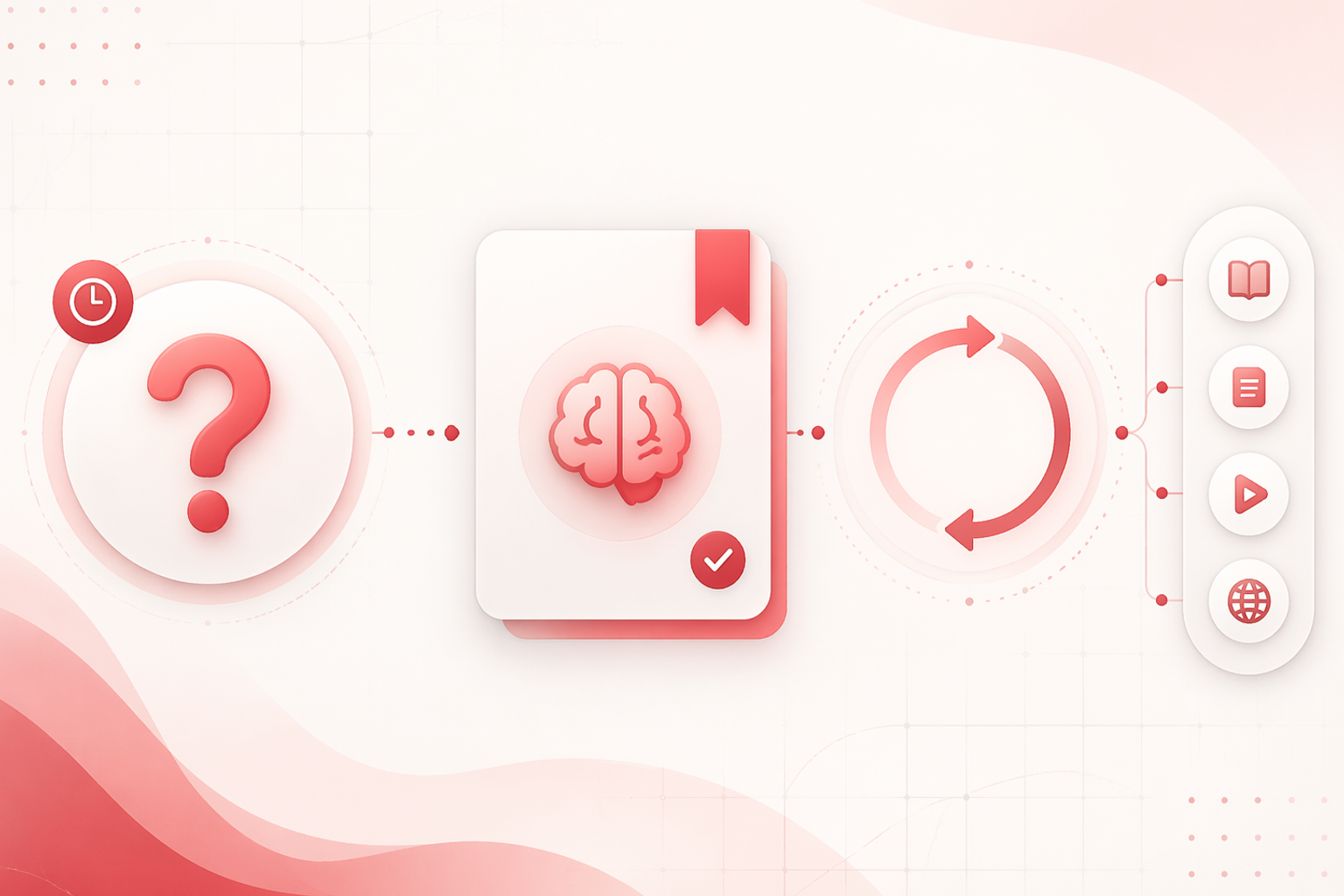
Bring back the questions that would otherwise disappear after sign-out, with focused reading and follow-up prompts.

Give faculty and residents a clearer shared starting point for debriefs, reasoning gaps, and next-step learning.
Questions residents bring back
How should I teach high-risk chest pain disposition after this case?
Teaching frame, red flags, source trail
What learning points fit a resident struggling with sepsis reassessment?
Reasoning points, systems issues, debrief prompts
Can you help turn this POCUS question into a five-minute teaching pearl?
Outline, pitfalls, cited references
What should an intern read after missing a pediatric dehydration severity cue?
Focused review, examples, follow-up questions
How do I explain why this patient needed transfer instead of observation?
Disposition logic, risk language, teaching points
How should I teach high-risk chest pain disposition after this case?
Teaching frame, red flags, source trail
What learning points fit a resident struggling with sepsis reassessment?
Reasoning points, systems issues, debrief prompts
Can you help turn this POCUS question into a five-minute teaching pearl?
Outline, pitfalls, cited references
What should an intern read after missing a pediatric dehydration severity cue?
Focused review, examples, follow-up questions
How do I explain why this patient needed transfer instead of observation?
Disposition logic, risk language, teaching points
Evidence-informed
EM training has to cover patient care, medical knowledge, systems practice, communication, professionalism, and practice-based learning. That is a lot to reinforce while the department is moving.
FOAM Cortex gives programs a source-backed way to turn real clinical questions into short teaching moments, reading prompts, and shared mental models without asking faculty to rebuild every explanation from scratch.
FOAM Cortex does not grade residents, replace supervision, or define competence. It gives faculty and residents a clearer starting point for discussion.
References stay visible so clinicians can inspect the source trail instead of trusting a sealed answer.
The product supports clinical context; it does not redefine supervision, role, or policy.
Use FOAM Cortex alongside institutional pathways, collaboration, and patient-specific judgment.
A faster route to the cited clinical context you were going to look up anyway.
Next step
Use FOAM Cortex to connect shift questions with sources, teaching points, and follow-up learning that fits the rhythm of residency.