Small details change outcomes
Needle angle, probe position, patient setup, contraindications, and backup plans can matter more than a broad overview.
For procedures and POCUS
Procedures and POCUS move fast, and the details matter. FOAM Cortex helps clinicians review setup, landmarks, pitfalls, complications, and source-backed technique notes without digging through tabs mid-shift.
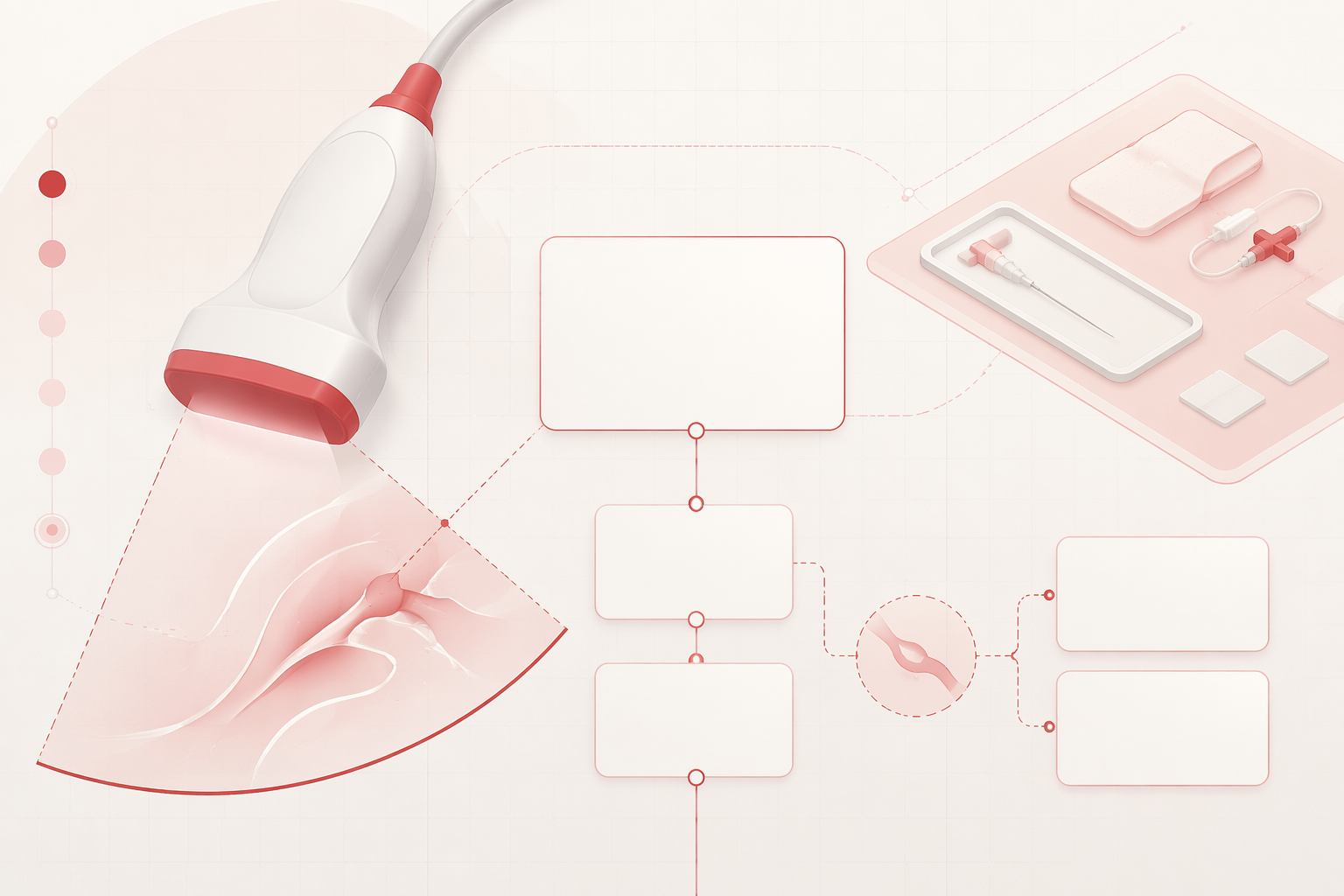
The procedure and POCUS reality
Needle angle, probe position, patient setup, contraindications, and backup plans can matter more than a broad overview.
POCUS questions often need anatomy, acquisition tips, artifacts, clinical context, and limitations in the same place.
After a procedure or scan, clinicians need a quick way to review what went well, what was missed, and what to read next.
What FOAM Cortex gives bedside clinicians
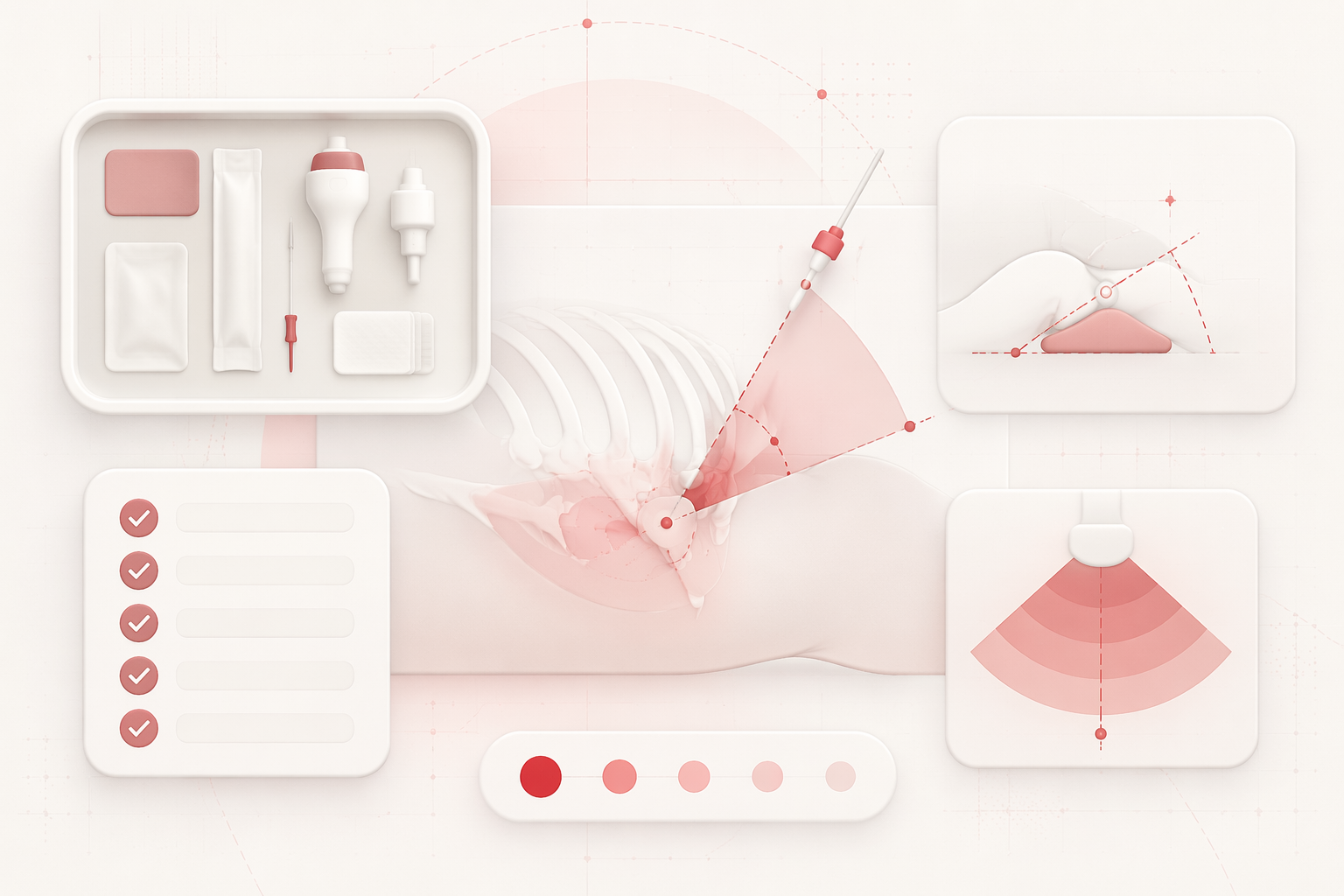
Review equipment, positioning, landmarks, contraindications, and setup before the clinician’s hands are busy.
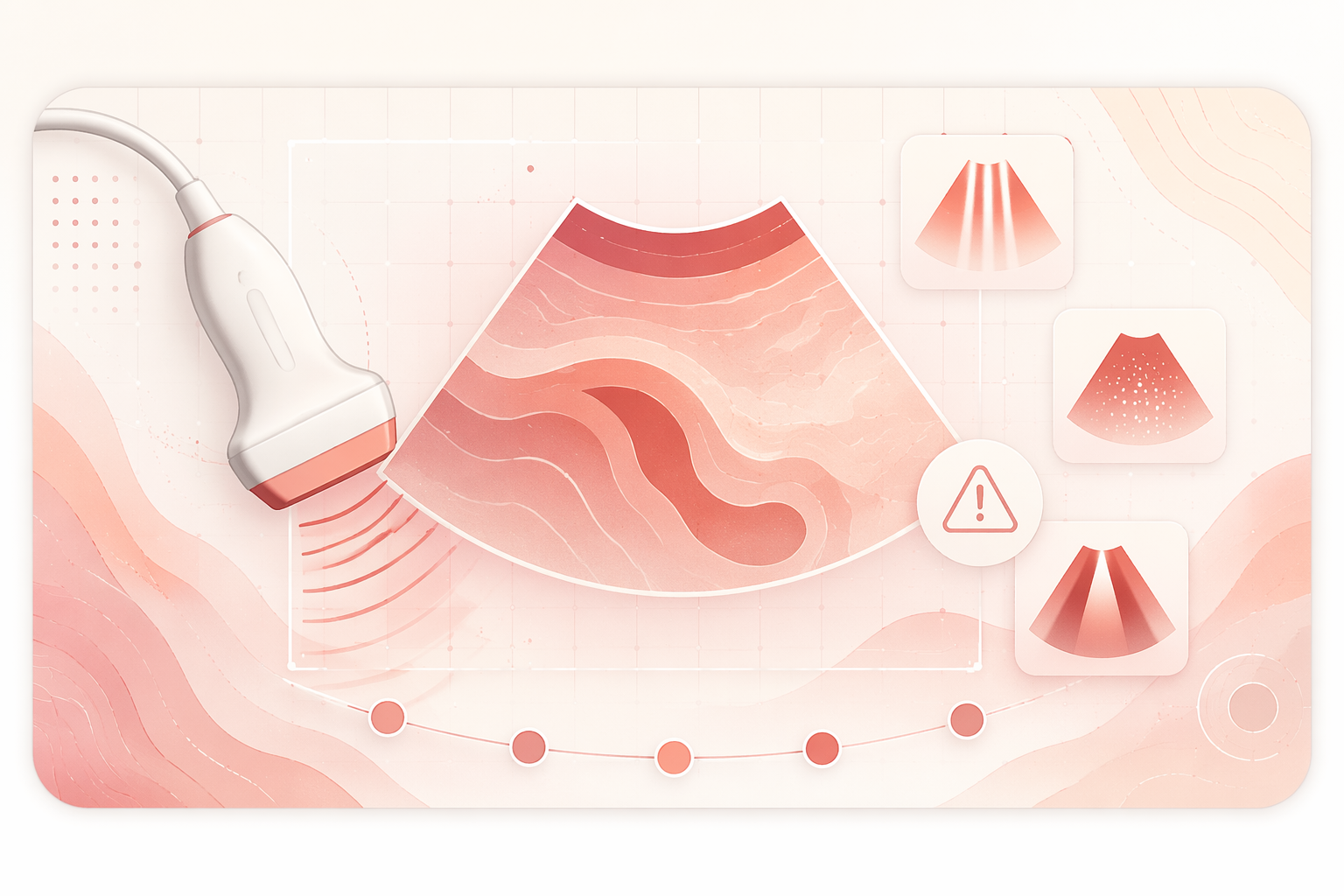
Connect scan acquisition, artifacts, anatomy, and limitations in one place instead of treating images as self-explanatory.
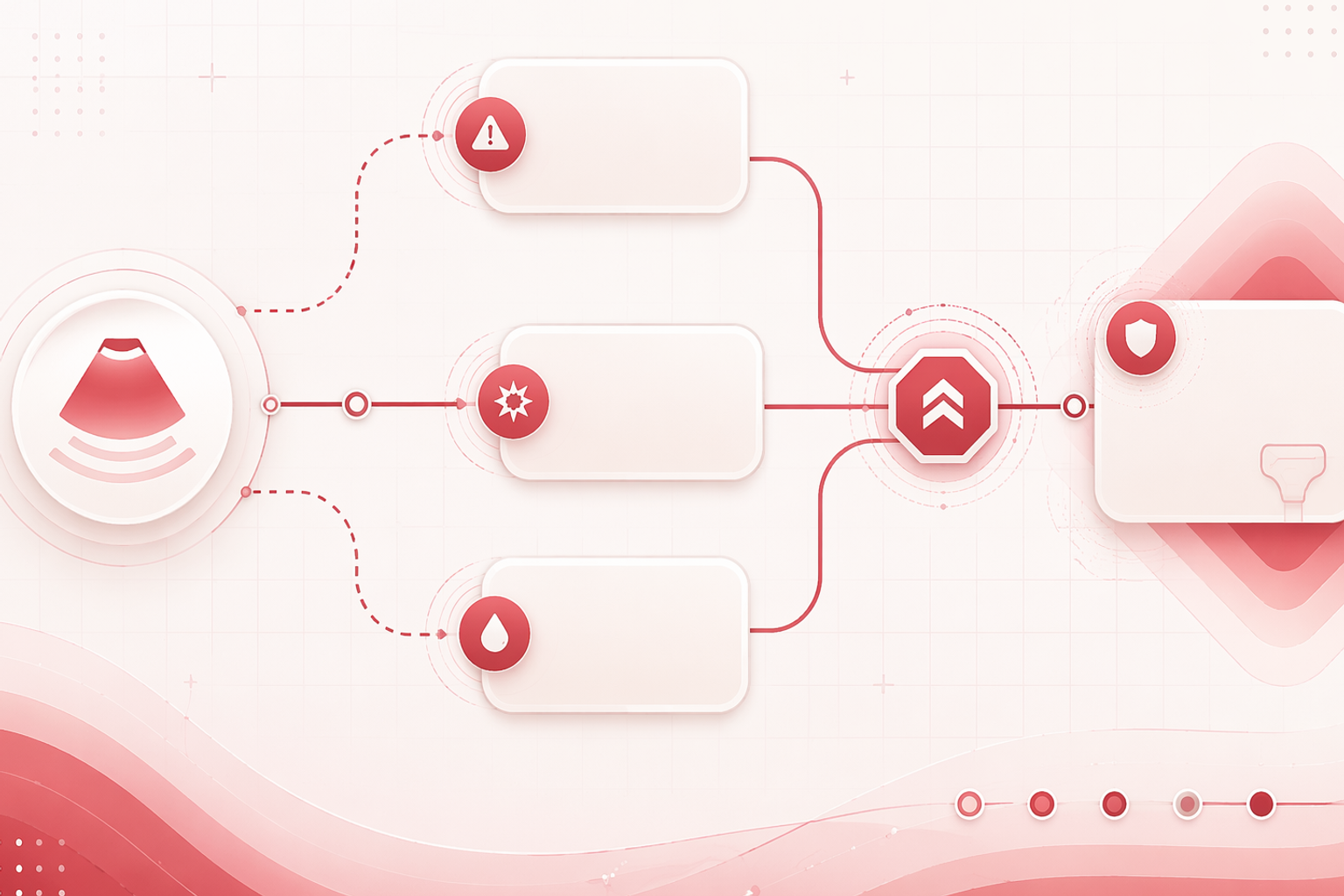
Think through what can go wrong, what changes the plan, and when to escalate or stop.
Capture what went well, what was difficult, and what to review after the procedure or scan.
Questions clinicians ask at the bedside
What are the key views and pitfalls when evaluating RV strain?
Views, signs, artifacts, limitations
What should I check before a lateral canthotomy?
Indications, setup, steps, complications
How should I prepare for a difficult airway in the ED?
Equipment, backup plans, failure points
What are common mistakes with ultrasound-guided IJ access?
Anatomy, technique, complication checks
What should I review after a challenging paracentesis?
Technique points, complications, reading list
What are the key views and pitfalls when evaluating RV strain?
Views, signs, artifacts, limitations
What should I check before a lateral canthotomy?
Indications, setup, steps, complications
How should I prepare for a difficult airway in the ED?
Equipment, backup plans, failure points
What are common mistakes with ultrasound-guided IJ access?
Anatomy, technique, complication checks
What should I review after a challenging paracentesis?
Technique points, complications, reading list
Evidence-informed
Procedures and POCUS depend on preparation, anatomy, image acquisition, patient selection, and knowing when a finding or complication changes the plan.
FOAM Cortex gives clinicians a source-backed way to review the pieces that matter before a procedure, after a scan, or during follow-up learning. It supports bedside judgment; it does not replace training, supervision, or local credentialing.
FOAM Cortex can support preparation and review, but procedures and POCUS still require training, supervision, local credentialing, and patient-specific judgment.
References stay visible so clinicians can inspect the source trail instead of trusting a sealed answer.
The product supports clinical context; it does not redefine supervision, role, or policy.
Use FOAM Cortex alongside institutional pathways, collaboration, and patient-specific judgment.
A faster route to the cited clinical context you were going to look up anyway.
Next step
Use FOAM Cortex to connect bedside questions with technique notes, pitfalls, anatomy, and visible sources.