Every site has its own texture
Admission patterns, consultants, transfers, observation capacity, and nursing resources vary. Clinicians need generalizable reasoning plus local context.
For EM staffing groups
Staffing groups need consistency without pretending every ED is the same. FOAM Cortex helps teams keep clinical answers, onboarding context, and source trails easier to find across different departments.

The staffing group reality
Admission patterns, consultants, transfers, observation capacity, and nursing resources vary. Clinicians need generalizable reasoning plus local context.
New hires, locums, APPs, moonlighters, and float clinicians all need a fast way to understand how the group thinks through common ED problems.
Quality conversations are better when everyone can see the clinical sources and reasoning, not just argue from memory or habit.
What FOAM Cortex gives groups
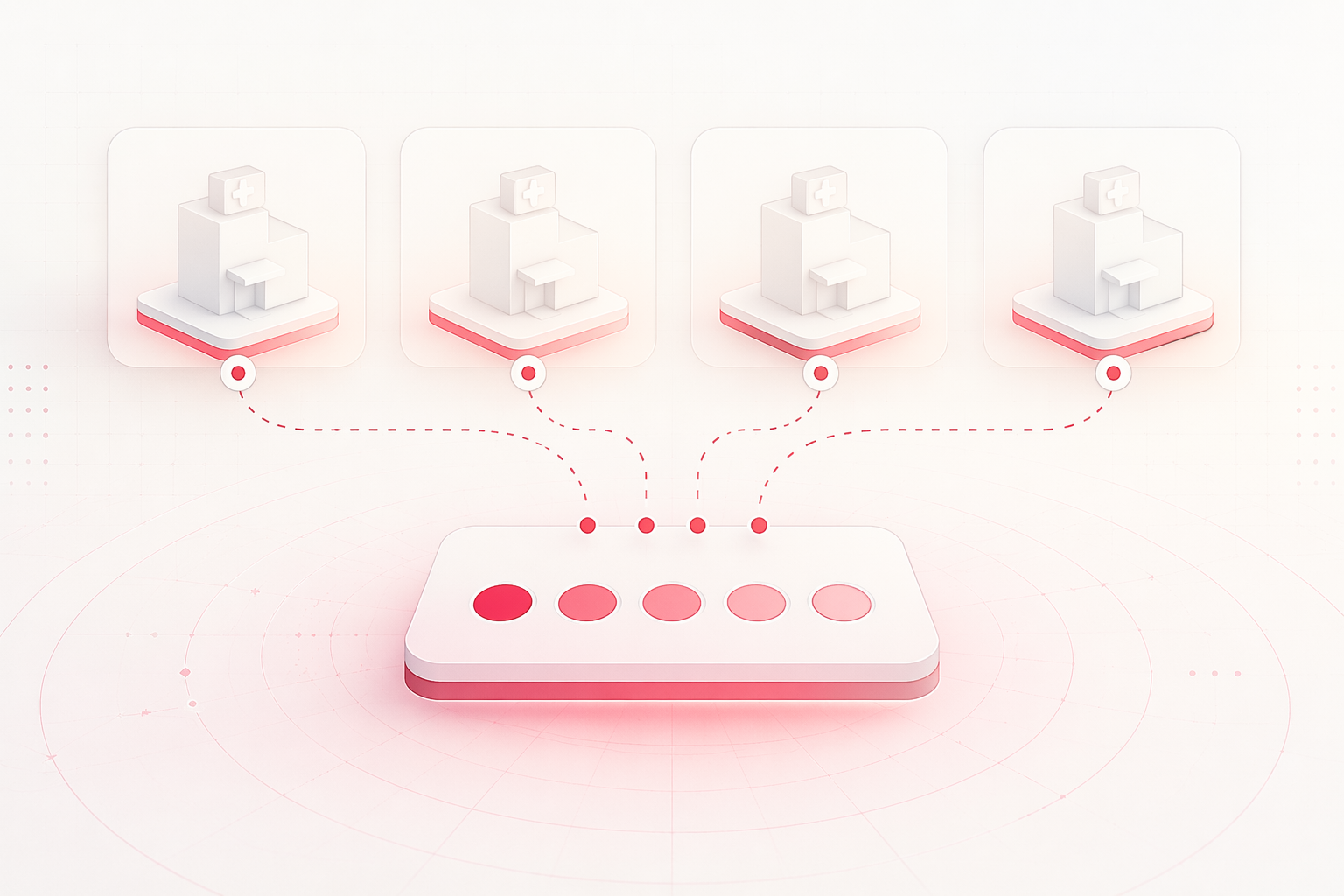
Help new hires, locums, moonlighters, APPs, and float clinicians understand the group’s clinical reasoning faster.

Make variation easier to discuss by keeping the clinical sources and assumptions visible instead of relying on memory.

Turn recurring cases and near-misses into cleaner quality conversations with structured clinical context.

Give physicians, APPs, and rotating clinicians a common language without pretending every site has the same resources.
Questions groups need to answer repeatedly
What should new clinicians know about our ED approach to low-risk chest pain?
Clinical frame, source trail, local-context prompts
Why do clinicians differ on CT use for renal colic?
Evidence summary, risk factors, discussion points
How should we debrief a delayed sepsis antibiotic case?
Clinical timeline, systems questions, teaching points
What reference should APPs use for pediatric fever escalation?
Red flags, escalation language, citations
How do we explain transfer criteria for suspected stroke at a low-resource site?
Disposition logic, caveats, handoff language
What should new clinicians know about our ED approach to low-risk chest pain?
Clinical frame, source trail, local-context prompts
Why do clinicians differ on CT use for renal colic?
Evidence summary, risk factors, discussion points
How should we debrief a delayed sepsis antibiotic case?
Clinical timeline, systems questions, teaching points
What reference should APPs use for pediatric fever escalation?
Red flags, escalation language, citations
How do we explain transfer criteria for suspected stroke at a low-resource site?
Disposition logic, caveats, handoff language
Evidence-informed
EM groups often cover clinicians with different backgrounds, site norms, resource constraints, and onboarding needs. Structured onboarding and consistent reference habits matter for quality and collaboration.
FOAM Cortex gives groups a practical way to point clinicians toward source-backed clinical context while still respecting local protocols, medical director guidance, and site-specific resources.
FOAM Cortex supports shared reference habits. It does not replace medical director oversight, hospital policy, peer review, or site-specific protocols.
References stay visible so clinicians can inspect the source trail instead of trusting a sealed answer.
The product supports clinical context; it does not redefine supervision, role, or policy.
Use FOAM Cortex alongside institutional pathways, collaboration, and patient-specific judgment.
A faster route to the cited clinical context you were going to look up anyway.
Next step
Use FOAM Cortex to support onboarding, source-backed discussion, and consistent answer structure across your ED teams.